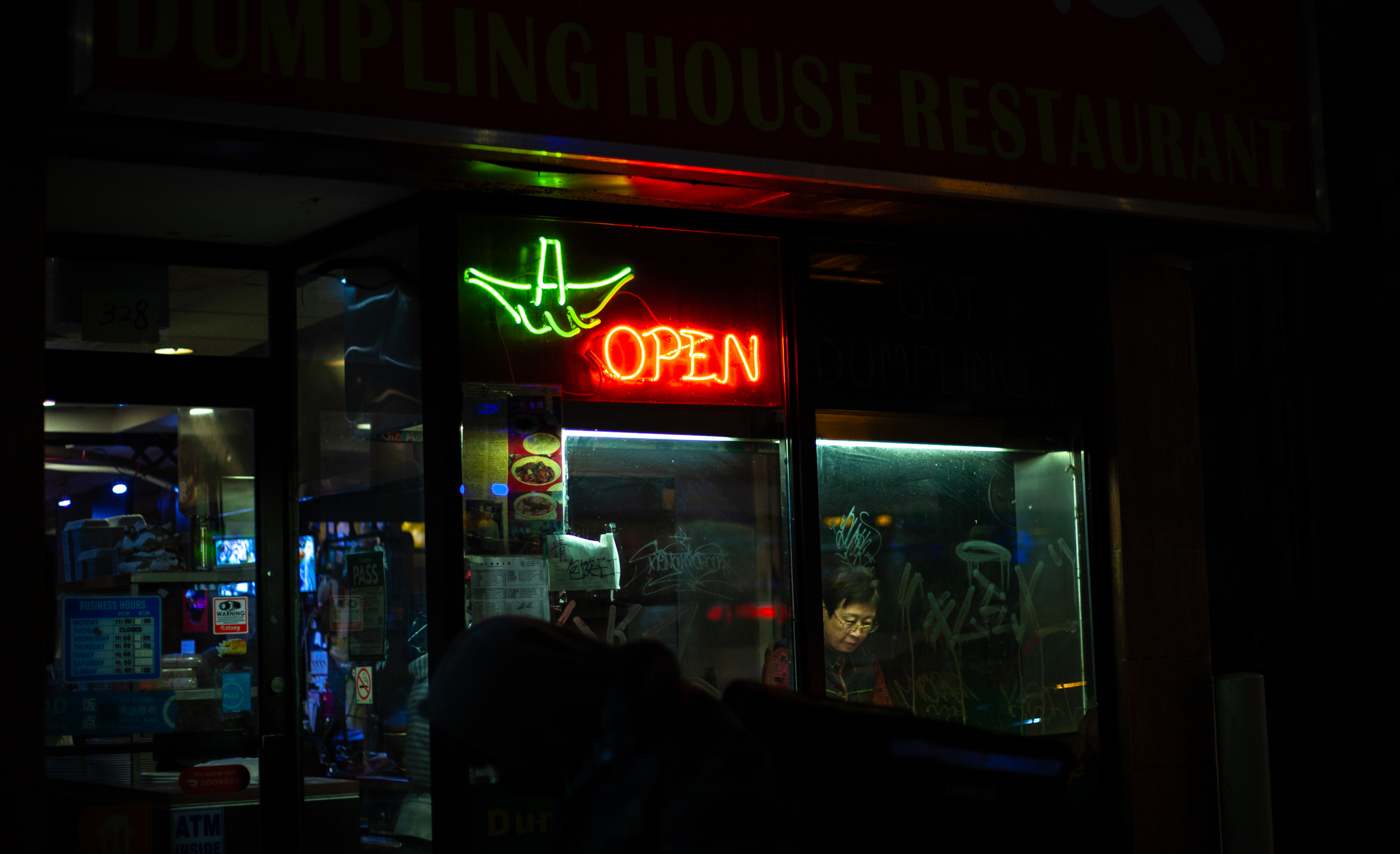
With cost-efficient and environmentally friendly LED signs taking over the city, little room is left for Toronto’s vibrant neon sign culture. Now a thing of the past, only a handful of signs have made it through this steep decline for the viewing pleasure of the public eye. What was once designed to catch our attention and captivate pedestrians, now hide sight unseen, waiting for someone to catch a lucky glance.
THE CLASSICS
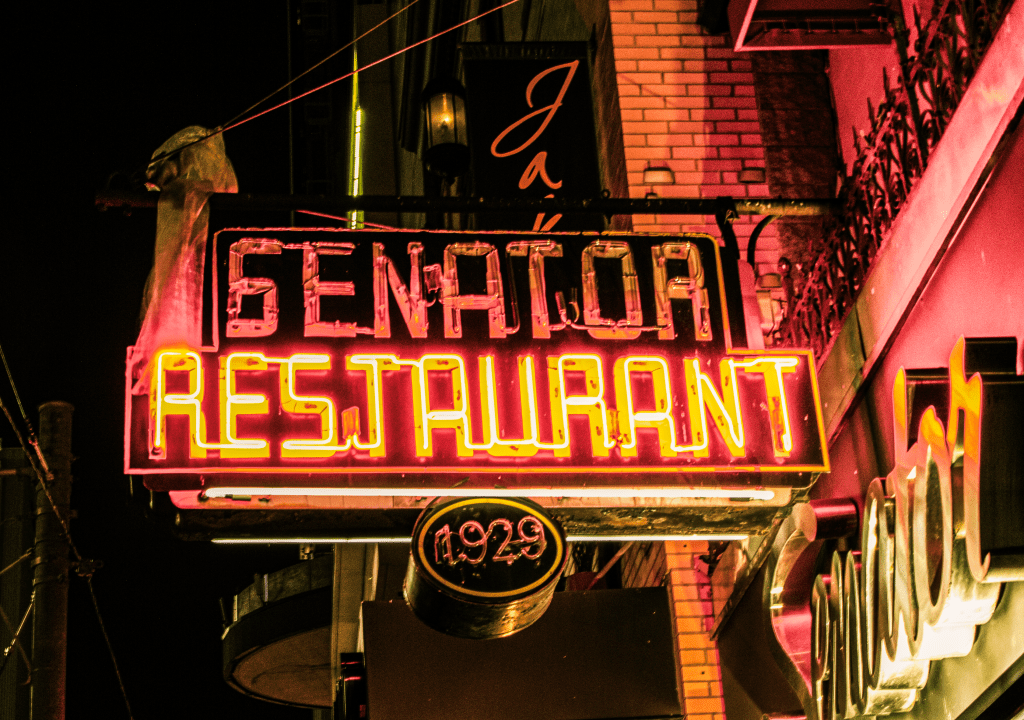
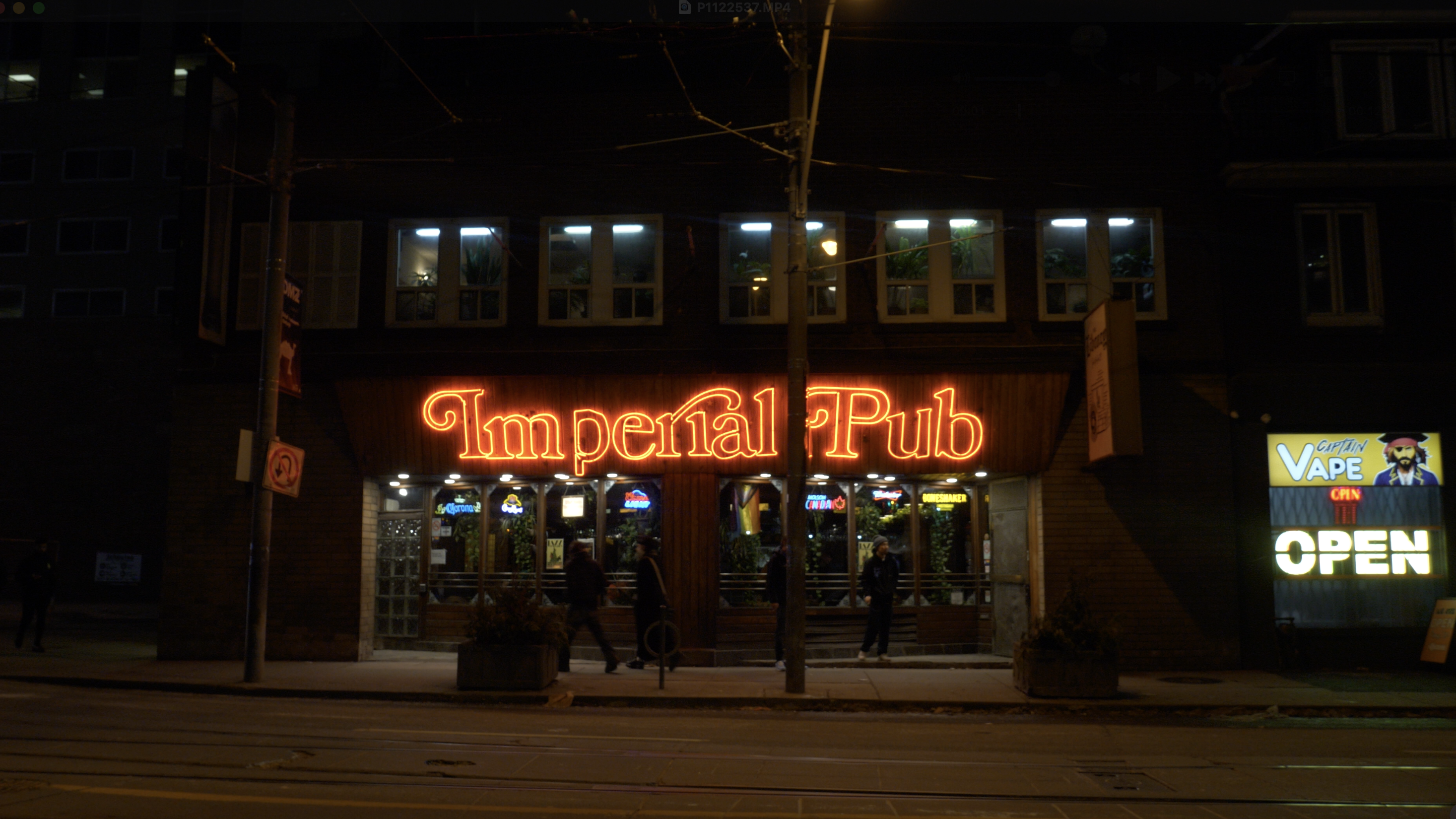


Although not as prevalent now, neon signs were once a very common sight in Toronto. Up until the late 1980s, they could be seen lining streets like Yonge and Queens, showcasing the individuality of each store. Unfortunately, this seemingly prehistoric form of advertising has almost gone extinct.
With few older businesses and even fewer new ones opting for this luminous art form, Toronto’s neon signs are slowly fading into history. These glowing beacons, once scattered across the city, continue to represent a bygone era of craftsmanship and charm. From the vintage diners to neighbourhood theatres, many of these signs remain as cultural landmarks, each with its own story to tell. Whether it’s a vibrant cocktail glass on a bar’s facade or the retro cursive of a long-standing local shop, these signs contribute to Toronto’s identity, illuminating the city’s history through their timeless designs. While some have been restored to preserve their brilliance, others fade into obscurity, leaving behind only memories of the communities they once proudly served. Much of the remaining signage is an homage to the business or the individuals who once ran it. Tall and stoic, the remnants of the late Sam Sniderman’s record store, now stand above Yonge and Dundas Square. A gateway into the past, it represents the triumphs and positive impact of a Canadian icon whose stores once accounted for an estimated 15 to 20 per cent of the national retail record business before closing their doors in 2007. Just like Sniderman’s neon sign, many now act as historical monuments, filling the air and lining the streets with their lustrous light pollution.

Burnt-out letters and dim bulbs add distinct character to these signs of the past. The signs often don’t resemble the well maintained restaurants and stores below them. In a way, they act more like a window into the past. A time before millennials roamed the streets and you could get a coffee from Tim Hortons for less than a loonie. As Canadians, there aren’t many artifacts that represent our rapidly changing city. However, there is a chance you may find yourself stumbling upon one of these hidden treasures and be staring at the same gas-filled tubes your grandparents have once walked under.

CHINATOWN

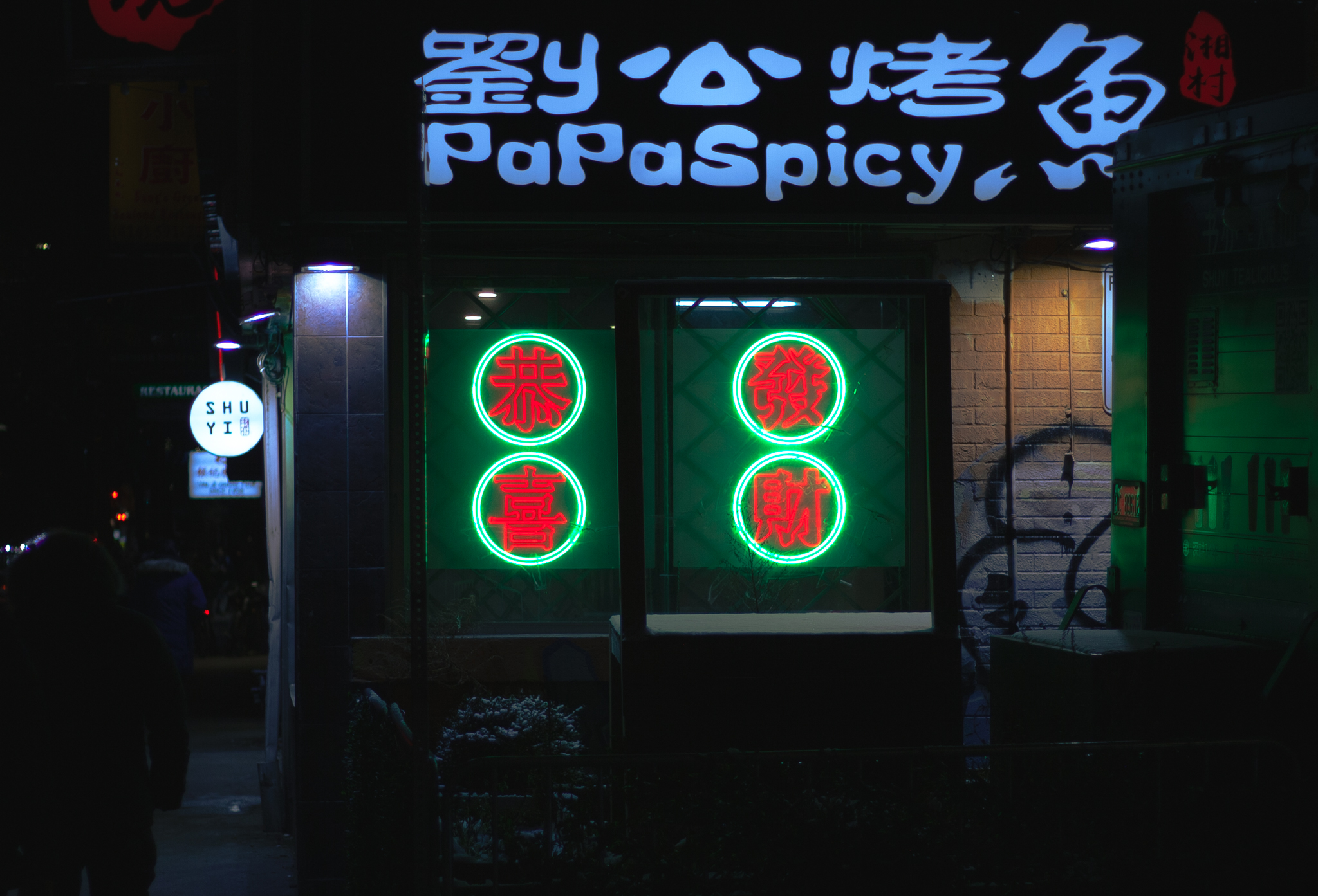
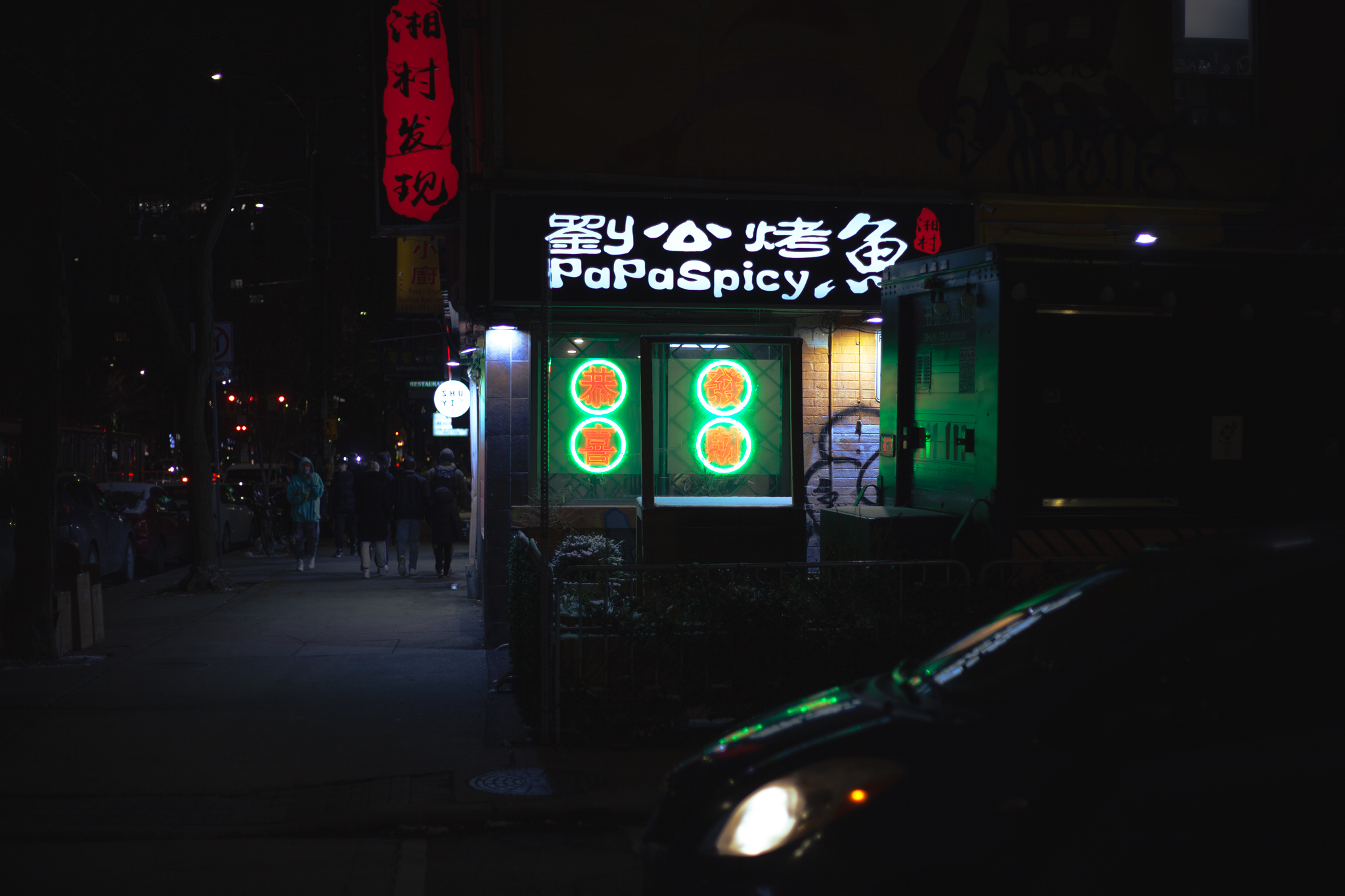
Toronto’s Chinatown is one of the few places left in the city with a dense and beautiful arrangement of neon signs. All along Spadina Ave, storefronts showcase their unique argon-filled light fixtures. Each sign, more unique and nostalgic than the last, represent a resilient community capable of preserving meaningful heritage. Much like snowflakes, no two signs are alike, as they coincide with each remarkable business and its original personality. Carrying similar attributes to the larger classic signs of the six, these neon light dreams often carry a far more comforting and eye-catching look as they use a coruscating arrangement of colours that are difficult to look away from. Like a moths, these creative works of art suck in pedestrians similar to a giant electric camping lamp hung on a humid back porch waiting for its next victim.


Rather than just acting as mere exterior advertisements, many of these restaurant fronts use their neon artwork to add to the distinct atmosphere of the business. The twisted glowing glass tubes create an ambience that is both nostalgic and welcoming to an already friendly and familiar environment. Oftentimes many of the colours used in the signs coincide with the theme of the establishment. Now with so few left, neon artwork is used more so as a gimmick than a legitimate form of advertising. This creative and nostalgic approach is one that attracts demographics of all ages.

WHAT’S NEXT?
The same way Canadians are trying to steer away from non-renewable energy, the same is happening with signs as well. The use of toxic chemicals like mercury and argon are detrimental to the environment and people. According to the Centers for Disease Control and Prevention (CDC), exposure to mercury (Hg) may cause: irritation to the eyes, skin, and stomach; cough, chest pain, or difficulty breathing. With 3D LED signs available in every shape, size and colour, it’s no wonder why many businesses have switched over. With the click of a button, a sign can be erased and a new one born. Newer, easier, and more cost efficient, are all great reasons for one to replace an old neon sign. However, as old signs are thrown out, so is the history and warm eye-catching glow. Sad but not forgotten, these ancient neon signs will live on in magazines, movies and the odd store front window, reminding us of a time when craftsmanship and artistry shaped the way we advertised and lit up the night.
 Anthony Lippa-Hardy
Leave a comment